Gondolák: The Iconic Venetian Boats
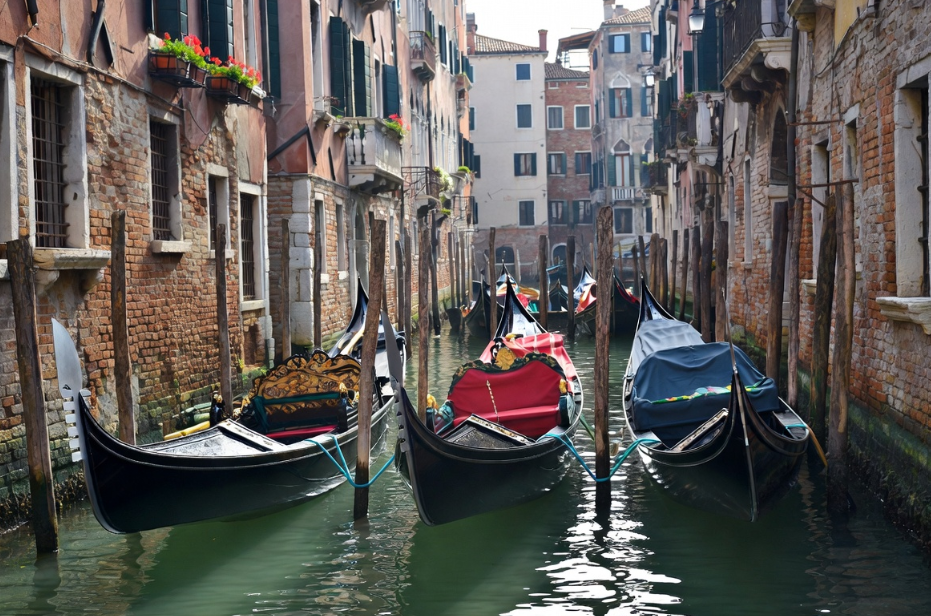
Gondolák are one of the most famous symbols of Venice, Italy. These long, narrow boats glide gracefully through the canals, carrying people on romantic rides and sightseeing tours. Gondolák are more than just transportation; they are a cultural icon with centuries of history. People from all over the world come to Venice to experience a gondolák ride and enjoy the unique view of the city from the water.
Gondolák are handmade and crafted with care. Each gondolák has its own unique features, making it different from others. Traditionally, gondolák were the main mode of transportation in Venice. Today, they serve tourists, couples, and photographers who want to capture the beauty of Venice from the canals. The charm of gondolák is in their elegance, craftsmanship, and the peaceful experience they offer on the water.
History of Gondolák
The history of gondolák dates back to the 11th century. Originally, gondolák were used as everyday boats for transport, trade, and commuting between islands in Venice. They were faster than other boats and could navigate narrow canals easily. During the Renaissance, gondolák became a symbol of wealth and status. Rich Venetian families had elaborately decorated gondolák with gold, velvet, and carved details.
Over the centuries, gondolák have evolved in design and style. Today, gondolák are smaller than their historical versions but retain the traditional shape. The gondolák we see today mostly follow the standard design established in the 16th century. This design ensures stability, balance, and elegance, allowing gondoliers to maneuver through the winding canals smoothly.
Design and Structure of Gondolák
Gondolák are unique in shape and construction. They are long, narrow, and flat-bottomed, usually around 11 meters in length. The asymmetrical design allows them to glide efficiently through water even with one oar. Gondolák are made primarily of wood, often using multiple types such as oak, mahogany, and elm. Each wood is selected for its strength, flexibility, and resistance to water damage.
The front of the gondolák is called the prow, decorated with a metal piece called the ferro. The ferro not only balances the boat but also represents symbolic elements of Venice, including the six districts of the city. The gondolák has seats for passengers and a raised section for the gondolier to stand and row. The interior is often decorated with cushions, velvet, and sometimes painted motifs that reflect Venetian art.
Types of Gondolák
Gondolák come in various types depending on their use. Some gondolák are traditional passenger boats for tourists, while others are racing gondolák used in local competitions. Wedding gondolák are often decorated with flowers and special upholstery for ceremonies. Private gondolák may have personalized decorations and luxurious interiors for VIP guests.
There are also ceremonial gondolák used for official events and religious processions. These gondolák are often larger and more ornate. Each type of gondolák serves a specific purpose but maintains the elegance and design that make gondolák unique.
The Role of Gondoliers
Gondoliers are essential to the gondolák experience. They are skilled boatmen who row and steer gondolák using a single oar. Being a gondolier requires years of training, including mastering the technique of rowing and understanding the canals of Venice. Gondoliers also act as tour guides, sharing historical facts, stories, and cultural details about Venice with passengers.
Traditionally, gondoliers wore striped shirts, black pants, and straw hats with ribbons. Today, the outfit remains a symbol of Venice and gondolák culture. Gondoliers often develop close relationships with their boats, treating each gondolák with respect and care.
Gondolák in Modern Venice
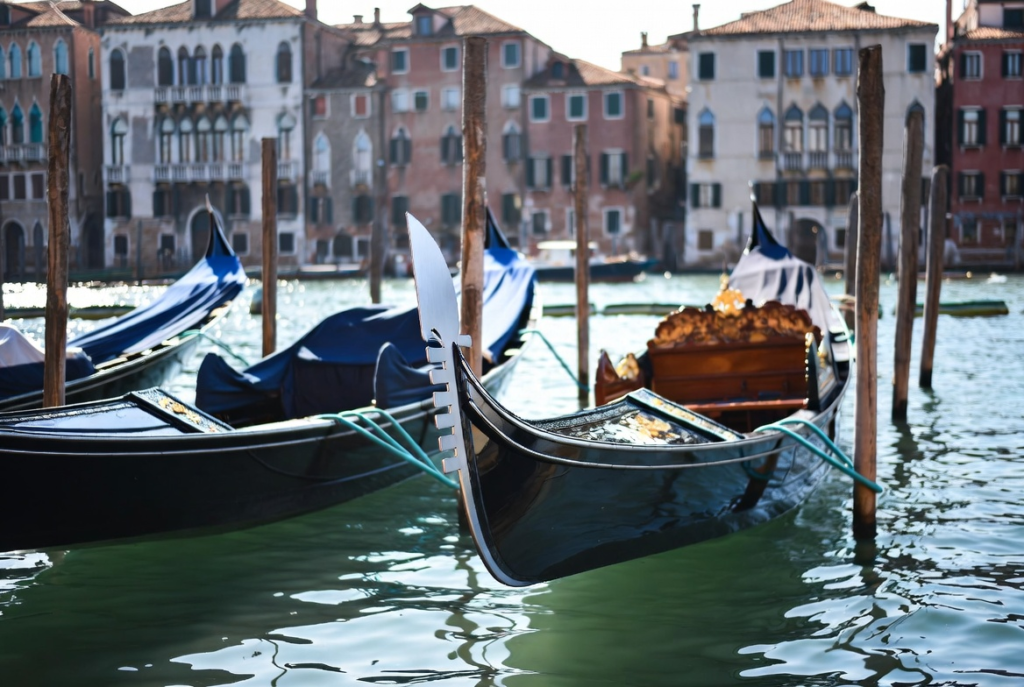
In modern Venice, gondolák are primarily used for tourism. Millions of tourists take gondolák rides every year to explore canals, bridges, and historic buildings. Despite the rise of motorboats and public water transport, gondolák remain a timeless symbol of Venice. They provide a quiet and peaceful alternative to crowded tourist spots and offer a unique view of the city’s architecture and waterways.
Gondolák also play a role in Venetian festivals, cultural events, and regattas. These events keep the tradition alive and showcase the skills of gondoliers and the beauty of the boats. Local Venetians continue to preserve gondolák craftsmanship, ensuring that these iconic boats are passed down to future generations.
Cultural Significance of Gondolák
Gondolák are more than just boats; they are an important part of Venetian culture and identity. They appear in art, literature, music, and films about Venice. Gondolák symbolize romance, history, and the unique lifestyle of the city. Many couples choose gondolák rides for proposals, weddings, or anniversaries because of the intimate and charming experience they provide.
The gondolák is also a representation of Venetian craftsmanship and tradition. Each boat takes months to build, requiring skilled artisans and attention to detail. Preserving gondolák is a way of keeping Venice’s heritage alive and promoting the city’s identity on a global scale.
Gondolák Maintenance and Preservation
Maintaining gondolák is a labor-intensive process. Wooden gondolák are sensitive to water and weather conditions. Regular cleaning, varnishing, and repairs are necessary to keep them in good condition. Gondoliers often learn basic maintenance skills to care for their boats.
Special workshops in Venice are dedicated to constructing and restoring gondolák. These workshops use traditional techniques passed down through generations. By preserving these methods, Venice ensures that gondolák remain authentic and true to their historical roots.
Experience of Riding a Gondolák
Riding a gondolák is a unique and memorable experience. The slow pace allows passengers to enjoy the architecture, bridges, and canals of Venice. Gondolák rides often include serene waterways, narrow passages, and hidden corners of the city. The gondolák glides smoothly, making it easy to relax and enjoy the surroundings.
Many gondolák rides include a gondolier singing traditional Venetian songs, creating a romantic atmosphere. Whether during the day or evening, riding a gondolák is a way to connect with Venice’s culture, history, and charm.
Tips for Gondolák Visitors
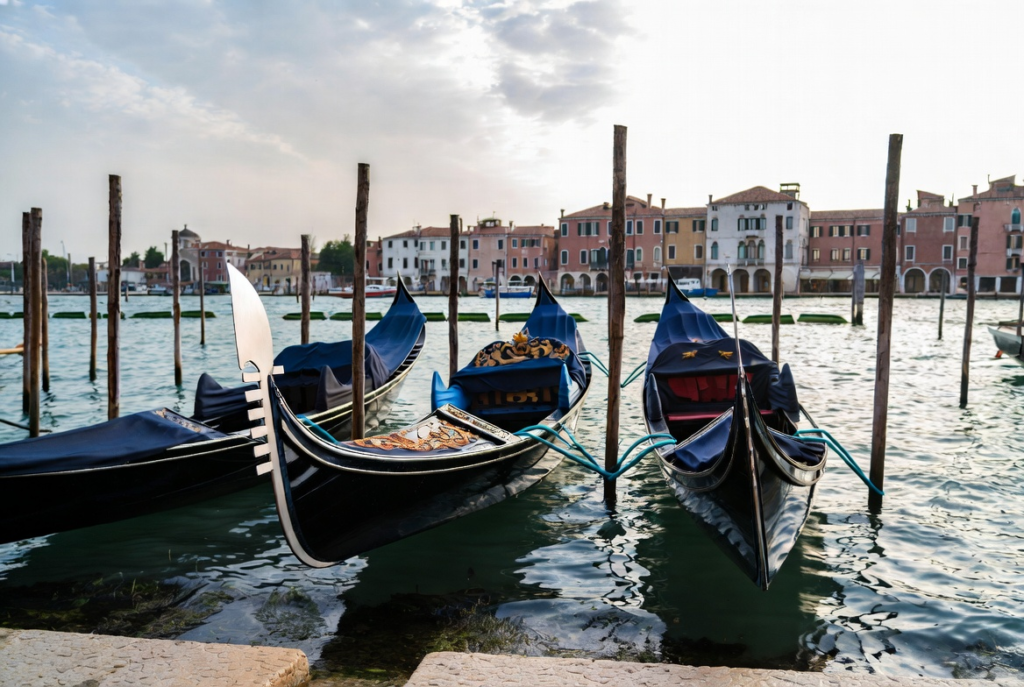
Visitors planning a gondolák ride should consider a few tips. Booking in advance can help avoid long lines, especially during tourist season. Choosing a private gondolák can provide a more personal and quiet experience. It is also important to respect gondoliers and follow their guidance during the ride.
Understanding basic Venetian etiquette can enhance the experience. For example, staying seated, avoiding loud noises, and not leaning over the sides ensures safety and comfort. Photography is allowed, but being mindful of other passengers makes the ride more enjoyable.
Conclusion
Gondolák are an essential part of Venice’s identity and culture. They combine elegance, history, and craftsmanship into one iconic experience. From their historical origins to modern tourist use, gondolák remain a symbol of Venice’s beauty and charm. Riding a gondolák is not just a transportation method; it is a journey through centuries of tradition and artistry. Experiencing gondolák offers visitors a unique perspective on the city, making it a memory that lasts a lifetime.
Gondolák continue to inspire people around the world, appearing in art, films, and literature. They remind us of Venice’s history, romance, and enduring culture. Whether for sightseeing, special occasions, or simply enjoying the calm waters, gondolák remain one of the most magical and beloved experiences in the world.