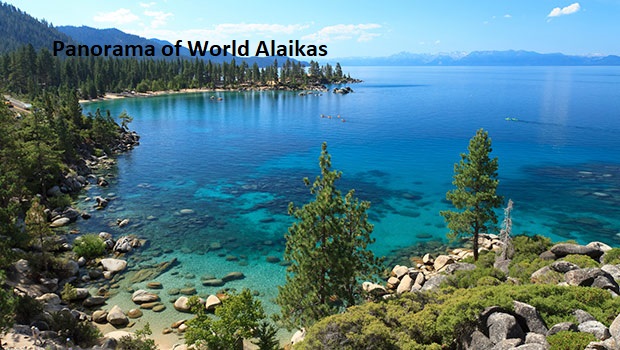
The phrase “Panorama of World Alaikas” might sound mystical, almost poetic, and that’s exactly what makes it so captivating. While the term “Alaikas” isn’t something you hear every day, it has steadily been gaining attention in cultural, artistic, and conceptual discussions around the globe. In many contexts, “Alaikas” represents collections of unique perspectives, traditions, or symbolic reflections that different societies contribute to the world stage.
In this article, we’ll explore what these “Alaikas” represent, how they shape our global understanding, and why they’re more relevant today than ever before.
Understanding the Concept of World Alaikas
At its core, World Panorama of World Alaikas refers to a broad tapestry of cultural, emotional, artistic, and intellectual elements contributed by different regions of the world. Think of it as a digital or conceptual gallery where each nation adds its own unique “piece” based on its experiences, heritage, and worldview. These expressions—whether artistic, philosophical, or societal—form a panoramic view of global humanity.
Although the idea of Alaikas is abstract, it helps us frame discussions around how societies evolve and influence each other. Every country carries stories, struggles, and triumphs, and all of these are expressed through their Alaikas, shaping a richer global landscape. In this sense, Alaikas act like cultural signatures, revealing what makes each part of the world special yet interconnected.
What makes the concept compelling is how flexible it is. Alaikas aren’t limited to museums, literature, or traditional art. They can be anything that represents a community—rituals, cuisine, lifestyles, architectural styles, philosophies, or even digital creations. As long as it reflects identity and impact, it can be called an Alaika. This open-ended definition allows the “Panorama of World Alaikas ” to expand endlessly, evolving as societies themselves evolve
The Cultural Importance Behind Alaikas

One of the biggest strengths of the Panorama of World Alaikas concept is its connection to cultural identity. In a world where globalization often blurs boundaries, Alaikas serve as reminders of roots and origins. They showcase how rich and diverse human expression truly is, even when technology makes everything feel more uniform.
Many researchers and cultural observers believe that Alaikas play an essential role in preserving intangible heritage. It’s not just about keeping traditions alive but about documenting how these traditions evolve. For instance, a festival celebrated 200 years ago will have a very different Alaika compared to the same festival today, and tracking that change offers insight into societal transformation.
Furthermore, Alaikas often carry symbolic meanings passed down through generations. They may reflect struggles for freedom, celebrations of love, or lessons from natural disasters. When these stories travel from one region to another, they help people understand and appreciate the experiences of communities beyond their own. This cross-cultural sharing enriches everyone involved, nurturing empathy, curiosity, and global harmony.
In an age where cultural erosion is a genuine concern, the idea of Panorama of World Alaikas acts as a safeguard. It encourages communities to celebrate and share what makes them unique without losing the essence of their identity. This balance between openness and preservation is crucial for maintaining cultural diversity worldwide.
The Modern Relevance of the Panorama of World Alaikas
Why is the concept of Panorama of World Alaikas becoming more relevant today? Simply put—because the world is more interconnected than ever. With technology, travel, and digital platforms shrinking distances, people are exposed to new cultures daily. However, this consumption often happens quickly and superficially. Alaikas, on the other hand, invite deeper understanding.
In modern times, many creators and thinkers use the idea of Alaikas to craft narratives that go beyond entertainment or aesthetics. They aim to start conversations—about identity, belonging, global unity, and cultural conflicts. This gives Alaikas a fresh relevance, especially among younger generations who crave authenticity and shared connection.
Moreover, global challenges like climate change, migration, and political tensions have pushed societies to see the world more collectively. The panorama of Alaikas helps reinforce a sense of unity by highlighting shared human emotions and experiences across borders. Even when societies look different, their Alaikas often reveal similarities in values such as resilience, hope, community, and creativity.
Another reason for the rising importance is the growth of digital documentation. Social media, online museums, virtual archives, and artistic communities play a huge role in collecting, preserving, and showcasing Alaikas. What once required travel or field research is now accessible instantly, enabling a wider audience to participate in the global Panorama of World Alaikas.
Alaikas as Global Storytellers
One of the most beautiful aspects of Alaikas is how they function as storytellers. Every Alaika—whether a dance form, architectural style, local myth, or culinary tradition—holds a story within it. These stories give insight into how people lived, what they valued, and how they adapted over time.
For example, a traditional house design from a coastal region might tell you about the climate challenges its inhabitants faced. A regional song may reflect centuries-old emotions, history, or beliefs. Even everyday objects, like pottery or textiles, carry narratives of craftsmanship, trade, or symbolism.
When we put these pieces together, they form a panoramic mosaic of human civilization. This is precisely what makes the “Panorama of World Alaikas not just beautiful but educational.
Additionally, Alaikas aren’t static storytellers. They evolve as new stories emerge. A modern Alaika, such as a digital art trend or a viral cultural expression, can be just as meaningful as an ancient tradition. Together, they offer a dynamic picture of how humanity grows over time.
As people around the world rediscover the power of storytelling, Alaikas serve as bridges—connecting the past to the present, and individuals to societies. They encourage reflection, spark curiosity, and help preserve the emotional threads that tie communities together.
Why the World Needs the Panorama of Alaikas Today
The world today is fast-paced, complex, and often divided. Amid this, the Panorama of World Alaikas offers something grounding: a reminder that humanity is multifaceted, creative, and deeply interconnected. By observing and appreciating Alaikas from different regions, we learn not just about others but also about ourselves.
These shared cultural mirrors help reduce stereotypes, correct misinformation, and build healthier cross-cultural relationships. They celebrate diversity while simultaneously revealing overlapping themes that unite us. In a time when global understanding feels more crucial than ever, this concept offers a refreshing framework.
Alaikas also inspire creativity. Artists, writers, educators, and innovators regularly draw from global Alaikas to develop fresh ideas. This enhances global innovation by blending traditional wisdom with modern thinking. Such cross-pollination has historically led to breakthroughs in art, science, architecture, medicine, and social progress.
Ultimately, the Panorama of World Alaikas encourages a healthier worldview—one that values nuance, respects diversity, and embraces shared knowledge. It’s a concept that continues to evolve with every new cultural contribution made by communities around the planet.
Final Thoughts
The Panorama of World Alaikas isn’t just a concept—it’s a continuously expanding collection of the world’s identity, emotion, creativity, and history. It reflects who we are as humans and how beautifully diverse we can be. From traditions and art forms to philosophies and personal stories, Alaikas paint a sweeping picture of global life.
In an era defined by rapid change, this Panorama of World Alaikas becomes even more valuable. It reminds us to appreciate what different societies bring to the world while also acknowledging our shared humanity. Whether you’re a cultural enthusiast, an artist, or simply someone curious about the world, the exploration of global Alaikas offers a rich, meaningful journey—one that connects the past, present, and future.