
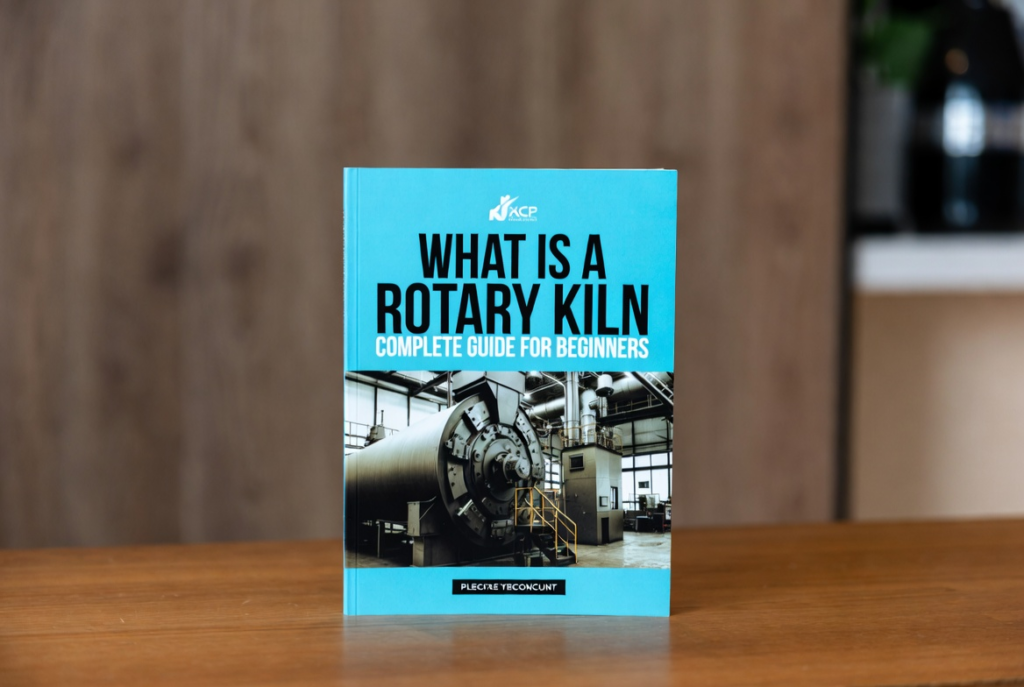
What is a rotary kiln and why is it important in industries? A rotary kiln is a long, cylindrical, rotating furnace used to heat materials to very high temperatures. Industries use it to process raw materials like cement, lime, or minerals. Understanding what is a rotary kiln helps you see how big factories turn raw materials into useful products. The kiln rotates slowly, which allows heat to spread evenly and helps the chemical reactions happen properly. It is used in cement factories, chemical plants, and even in metal production. The size of a rotary kiln can vary a lot. Some are small, for laboratory use, while others are huge, more than 100 meters long, used in big factories. The outside is made of steel, but the inside is lined with special materials that can handle high heat. Heat comes from a burner at one end, and the raw materials move slowly from one end to the other.
This process can take several hours, depending on the material and temperature needed. The rotary motion makes sure that every part of the material gets the same heat. People who work with rotary kilns must know a lot about temperatures, timing, and safety. If the temperature is too high or too low, the product might not form correctly. The kiln also needs careful maintenance. Over time, the inner lining can wear out and must be replaced. Workers also need to watch the fuel and the speed of rotation. Using a rotary kiln efficiently saves energy and makes better products. Rotary kilns are part of a bigger system. They are connected to material feeders, exhaust systems, and sometimes cooling units. They are designed to handle large amounts of material continuously, which makes them very important for industries that produce cement, lime, or chemicals every day. Rotary kilns have been used for more than a century, and their design has improved a lot over time. Modern kilns have sensors and controls
How a Rotary Kiln Works
A rotary kiln works on the principle of continuous rotation and heat transfer. Materials enter from the higher end and move slowly towards the lower end as the kiln rotates. The kiln is slightly inclined to allow gravity to help in moving the materials. Inside the kiln, chemical reactions occur due to the high heat. For example, in cement production, raw materials like limestone and clay react to form clinker, which is then ground into cement. The rotation ensures that every piece of material is exposed to heat uniformly, resulting in consistent quality. Kilns can be heated using fuels like coal, natural gas, or alternative fuels such as waste materials, which can reduce environmental impact.
Parts of a Rotary Kiln
Understanding what is a rotary kiln also involves knowing its main components. The primary parts include the cylindrical shell, refractory lining, burners, support rollers, drive system, and exhaust system. The shell is made of steel and supports the entire structure. The refractory lining protects the shell from high temperatures and abrasion. Burners provide the necessary heat for chemical reactions. Support rollers hold the kiln and allow smooth rotation. The drive system rotates the kiln at a controlled speed, and the exhaust system removes gases and maintains proper air flow.
Applications of a Rotary Kiln
Rotary kilns are used in many industries because they are versatile and efficient. The most common applications are in cement production, lime manufacturing, and mineral processing. In cement plants, rotary kilns are used to heat limestone and clay to produce clinker. In lime production, they convert limestone into quicklime. In mineral industries, rotary kilns are used for drying, calcining, or even roasting ores. Some kilns are used in chemical industries to process raw materials into specialized chemicals. They are also used in waste management, where certain kilns help in burning hazardous waste safely.
Benefits of Using a Rotary Kiln
There are many benefits to using a rotary kiln. First, it provides uniform heating, which ensures consistent product quality. Second, the continuous operation allows industries to process large quantities of materials efficiently. Third, modern rotary kilns are energy-efficient and can use alternative fuels to reduce costs and environmental impact. Fourth, they are durable and can operate for many years with proper maintenance. Fifth, rotary kilns allow precise control over temperature, rotation speed, and residence time, which is essential for chemical reactions.
Common Problems and Solutions in Rotary Kilns
Even though rotary kilns are reliable, they can face some common problems. One issue is uneven temperature distribution, which can lead to poor product quality. Another problem is wear and tear of the refractory lining due to abrasion and high heat. Mechanical issues like roller or drive system failures can also occur. To prevent these problems, regular inspection and maintenance are necessary. Installing sensors and monitoring systems can help detect issues early. Training operators to handle the kiln properly is also important to avoid accidents and inefficiency.
Modern Technology in Rotary Kilns
Modern rotary kilns are equipped with advanced technology for better performance and safety. Sensors monitor temperature, rotation speed, and material flow inside the kiln. Automated control systems adjust fuel input and rotation speed to maintain optimal conditions. Some kilns have energy recovery systems that capture waste heat and reuse it, improving energy efficiency. Computer simulations are also used in designing kilns to ensure better heat distribution and performance. These technologies make rotary kilns safer, more efficient, and environmentally friendly.
Environmental Impact of Rotary Kilns
Rotary kilns produce gases and emissions during operation, which can affect the environment if not controlled. Modern kilns use filters, scrubbers, and other pollution control devices to minimize harmful emissions. Some kilns use alternative fuels like biomass or waste materials to reduce carbon footprint. Engineers also design kilns to be more energy-efficient, which lowers fuel consumption and emissions. By understanding what is a rotary kiln and its environmental impact, industries can take steps to reduce pollution while still producing essential materials.
Maintenance and Safety of Rotary Kilns
Maintenance and safety are critical aspects of operating a rotary kiln. Regular inspection of the lining, shell, rollers, and drive system is necessary to prevent breakdowns. Lubrication of moving parts ensures smooth operation. Temperature sensors and emergency shutdown systems help prevent accidents. Operators must wear protective gear and follow strict safety guidelines. Proper training in kiln operation, emergency procedures, and material handling is essential. Efficient maintenance not only prolongs the life of the kiln but also ensures high-quality production.
Choosing the Right Rotary Kiln
Choosing the right rotary kiln depends on several factors, including the type of material, production capacity, fuel type, and desired temperature. Small-scale operations may use lab-sized kilns, while large industries require massive kilns capable of processing hundreds of tons per day. Engineers must also consider energy efficiency, environmental regulations, and cost of operation. Proper selection ensures the kiln operates efficiently and produces high-quality products consistently.
Future of Rotary Kilns

The future of rotary kilns looks promising with continued innovation and eco-friendly designs. Engineers are developing kilns that use less energy and produce fewer emissions. Automation and AI technology will make kiln operation easier and safer. Kilns may also be designed to process new types of raw materials or waste products, contributing to sustainable industrial practices. Understanding what is a rotary kiln and staying updated with future trends is important for engineers, students, and industry professionals.
Conclusion
Understanding what is a rotary kiln is essential for anyone interested in industrial processes. Rotary kilns are crucial in producing cement, lime, chemicals, and minerals efficiently and safely. They provide uniform heating, continuous operation, and precise control over chemical reactions. Modern rotary kilns use advanced technology for energy efficiency, safety, and environmental protection. Maintenance, proper operation, and careful selection are key to their successful use. By knowing how rotary kilns work and their importance, we can appreciate the role they play in modern industry.
FAQs
Q1: What materials can be processed in a rotary kiln?
A: Rotary kilns can process materials like limestone, clay, minerals, chemicals, and sometimes hazardous waste.
Q2: How long does a rotary kiln last?
A: With proper maintenance, a rotary kiln can last 20–30 years or more.
Q3: Can rotary kilns use alternative fuels?
A: Yes, many modern rotary kilns use biomass, waste materials, or other alternative fuels to reduce environmental impact.