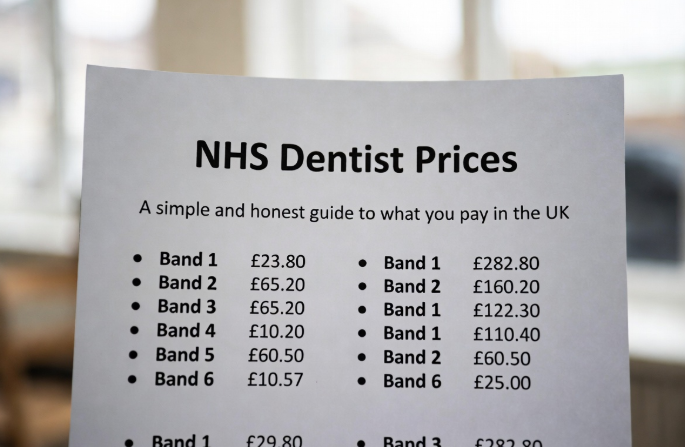
nhs dentist prices can feel confusing and scary when you first start looking for dental care in the UK. nhs dentist prices are meant to be fair and lower than private dentist costs so that most people can afford check‑ups, cleanings, fillings, and other dental work. In this guide, I will explain everything in very easy English so you understand what you might pay, why there are different charges, and how to save money where you can when needing dental treatment under the NHS system.
When you walk into an NHS dentist for the first time, you might ask yourself questions like “How much will this cost?” or “Why does it cost more sometimes than last time?” nhs dentist prices depend on the type of care you need, the band system used by the NHS, the part of the UK where your dentist is, and whether you qualify for free dental treatment. This first paragraph is long because we will go deeply into every part of nhs dentist prices, including clear examples, real expectations, and simple explanations. By the time you finish reading, you will know what the NHS charges for check‑ups, fillings, extractions, crowns, dentures, and more. You will also learn why NHS prices change over time, how to avoid unexpected costs, and what to do if you think a price is too high. Unlike many other articles that use complicated terms and long lists, this guide stays simple and friendly, just like telling a story to someone who is new to the topic. In the UK, millions of people use NHS dental services each year, but few truly understand how the prices work. That is why we will walk through each dental band.
What Are nhs dentist prices and How Do They Work?
nhs dentist prices are the fees you pay when you go to an NHS dentist for treatment. They are made to be fair so most people in the UK can afford dental care. These prices cover check-ups, fillings, cleanings, and other basic treatments. NHS dentists work under a system that decides how much each type of treatment costs. The price depends on what care you need, like a simple check-up or a bigger procedure such as a crown. Knowing how nhs dentist prices work can help you plan visits and avoid surprises. Even if you have never been to a dentist before, understanding the price system makes it easier to stay healthy and save money at the same time.
Understanding the NHS Dental Charge Bands (Band 1, 2, 3)
The NHS uses a band system to decide how much you pay for dental treatment. Band 1 is the cheapest and covers check-ups, advice, and simple cleaning. Band 2 is for fillings, extractions, and basic dental work. Band 3 is for bigger treatments like crowns, dentures, and bridges. Each band has a fixed price set by the NHS, so you know what to expect before your appointment. Depending on what treatment you need, you might pay more or less. Knowing the bands helps you understand why a simple check-up costs less than a filling. It also shows how planning your visits carefully can save money and keep your teeth healthy in the long run.
nhs dentist prices for Check‑Ups and Cleanings Explained Simply
A check-up is the most basic NHS treatment, and it usually costs the Band 1 price. During a check-up, the dentist looks at your teeth, gums, and mouth to make sure everything is healthy. Cleaning may also be included to remove plaque and tartar. Even if your teeth feel fine, check-ups are important to prevent problems that can be expensive later. nhs dentist prices for check-ups and cleaning are lower than private dentists, so many people can afford them. Regular visits keep your mouth healthy, and dentists can give advice about brushing, flossing, and diet. Simple care now can stop big costs later.
How Much Do NHS Fillings Cost in 2026?
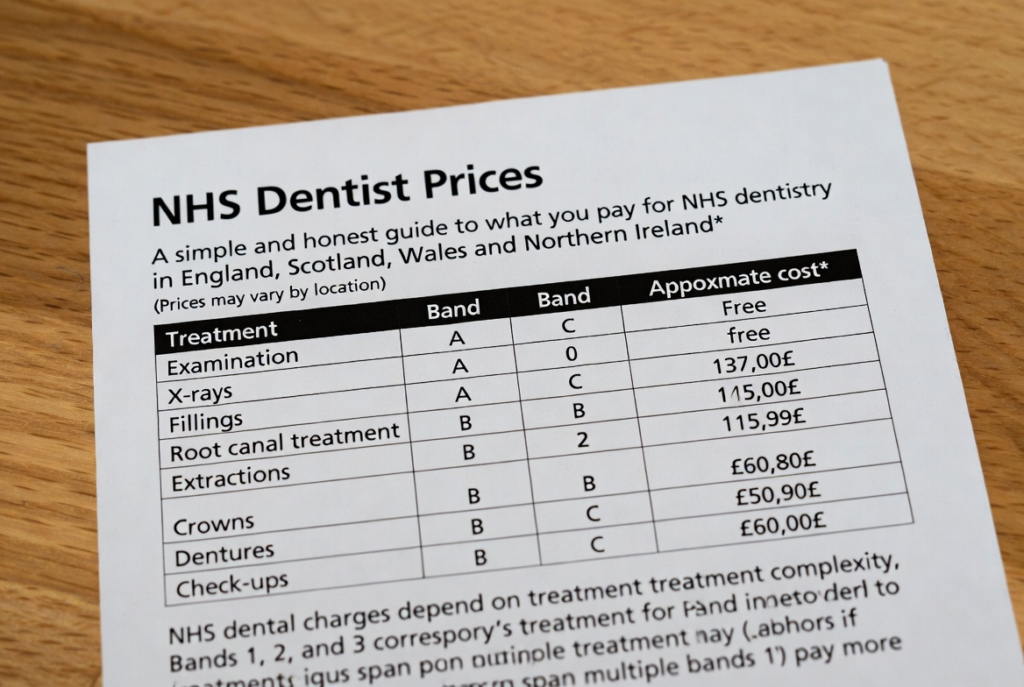
NHS fillings are done when you have a cavity or tooth decay. The cost depends on which band your treatment falls into, usually Band 2. In 2026, the price may change slightly depending on your location, but it is still cheaper than private fillings. Fillings stop the decay from spreading and help you avoid pain. The dentist will clean the decayed part and fill it with safe material. nhs dentist prices for fillings are clear and fixed so you can budget. Regular check-ups help catch cavities early, which keeps the filling simple and cheaper. Knowing the price ahead of time removes surprises at the dental office.
nhs dentist prices for Tooth Extractions and Pain Relief
Sometimes teeth need to be taken out if they are too damaged. Tooth extractions fall under NHS Band 2 or 3, depending on complexity. Simple extractions are cheaper, while complicated ones cost more. Dentists may also give pain relief or advice to make the process easier. nhs dentist prices cover the treatment and help most people afford urgent care. Waiting too long for a painful tooth can be worse, so understanding the cost encourages timely visits. Pain relief and extractions under the NHS make it easier for people to get treated without worrying about huge bills, ensuring healthy teeth and less discomfort for everyone.
Dental Crowns, Bridges, and Root Canals: What You’ll Pay on the NHS
Big dental treatments like crowns, bridges, and root canals are more expensive than simple care. These treatments usually fall under Band 3 of nhs dentist prices. Crowns protect weak teeth, bridges replace missing teeth, and root canals save infected teeth. The price depends on what you need and how many teeth are involved. NHS charges are still lower than private care, making it affordable for more people. Dentists explain exactly what each procedure involves and how much it costs. Knowing the nhs dentist prices ahead helps you plan the treatment and avoid surprises. Big care is less scary when you know the cost.
Children’s Dental Care: nhs dentist prices and Free Care Rules
Children often get dental care for free under the NHS, which is great for families. Kids can have check-ups, cleanings, fillings, and sometimes extra treatments without paying. This helps parents save money and keeps children’s teeth healthy from an early age. Even if children are healthy, regular visits teach good brushing habits and prevent cavities. nhs dentist prices for children are mostly covered, but some extra treatments might have small charges. Understanding which care is free helps families avoid confusion. Getting children used to dental visits early makes them comfortable and ensures a lifetime of healthy teeth and gums.
Who Qualifies for Free or Reduced nhs dentist prices
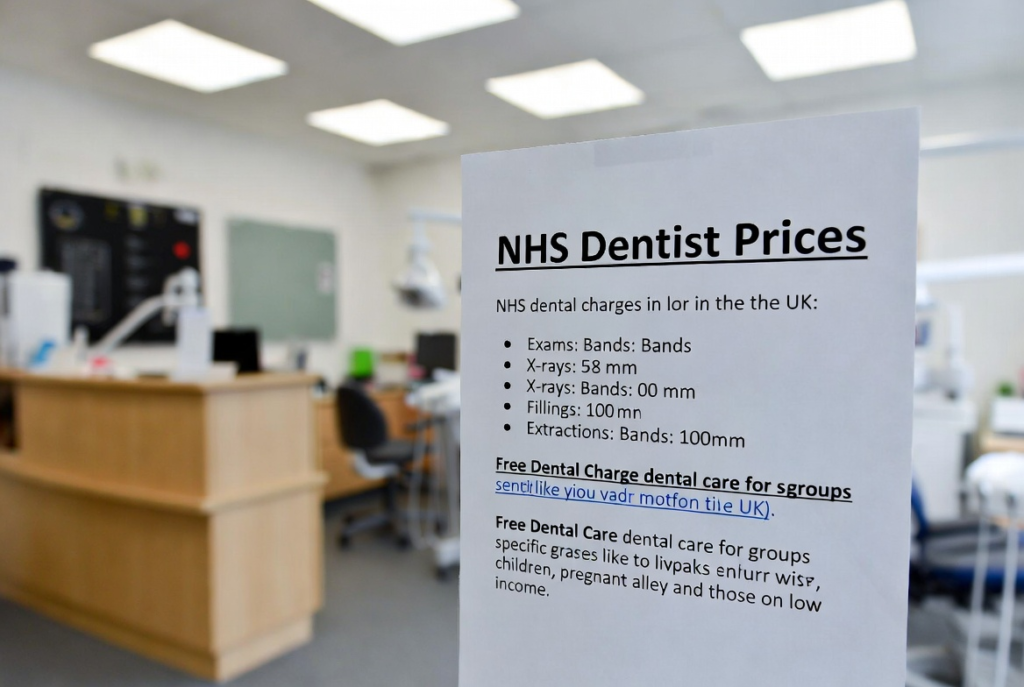
Some people get free or lower NHS dental costs. This includes children, pregnant women, certain low-income adults, and people on benefits. Reduced costs help those who might struggle to pay for regular care. Proof of eligibility is usually needed, such as a letter or card. Knowing if you qualify means you can save money while still getting important dental care. NHS dentists can explain what proof is needed and which treatments are free. nhs dentist prices are designed to be fair and help everyone, especially people who might otherwise skip visits because of money. This ensures dental health for all families.
Conclusion
Understanding nhs dentist prices is very important for everyone in the UK. When you know how much each treatment costs, you can plan visits without worrying about surprise bills. NHS prices are fair and made to help people get dental care. Even small check-ups are important because they stop big problems from happening later. Planning visits with the right band saves money and keeps teeth healthy.
NHS dental care is different for children and adults. Kids often get free care, which helps parents save money. Adults on low incomes or benefits can also get free or reduced prices. This makes sure dental care is fair for everyone. Even if you never went to a dentist before, knowing the prices and bands makes visiting easier.