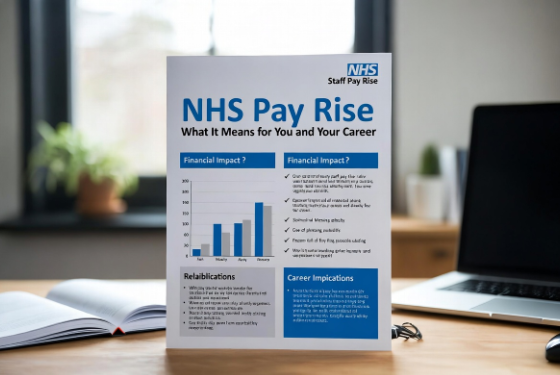
The nhs pay rise is making headlines across the UK, and if you work in healthcare, it is important to understand exactly how this change can affect your salary, benefits, and future. Every year, NHS staff look forward to pay updates, and this year’s nhs pay rise brings new opportunities and changes that can help improve your earnings. Whether you are a nurse, doctor, support staff, or administrative worker, knowing how the pay rise works can give you confidence in planning your finances and career growth. In simple terms, the nhs pay rise means your base salary will increase, but it can also impact overtime, allowances, and other benefits, making it important to see the full picture before getting too excited.
Understanding the nhs pay rise involves looking at several factors. First, your current pay band determines the exact increase you will get, so two employees in different roles may see slightly different numbers. The pay rise is not just a one-time bonus; it is added to your regular salary, which means your future pay and pension contributions also grow. For example, if you are in Band 5 and have been working for a few years, this increase can mean a noticeable change in your monthly income. Many staff may wonder how it will affect overtime pay or weekend work, and the good news is that a pay rise often improves calculations for extra hours, meaning more money in your pocket for the same effort.
NHS Pay Rise Explained: What Every Staff Member Needs to Know
The nhs pay rise is an important update for every NHS worker. It tells you how much your salary will increase and helps you plan your money better. Every year, the government and NHS management decide on a new pay rise based on staff roles, experience, and the cost of living. The nhs pay rise is not only about more money in your pocket today but also affects your long-term salary and pension. It shows that NHS employees are valued for their hard work. By understanding the details of this pay rise, you can know how it will change your income, improve your work-life balance, and even affect your career growth in the future.
How the NHS Pay Rise Affects Your Salary and Benefits
When the nhs pay rise happens, it increases your base salary and other benefits like overtime, unsocial hours, and bonuses. Staff in different pay bands may receive slightly different amounts, so it is important to check your exact pay increase. The pay rise also helps employees cover rising living costs, making it easier to manage bills and expenses. It can improve your work satisfaction because you feel recognized and rewarded. In addition, extra pay may improve pension contributions since pensions are calculated from salary. Understanding these changes ensures you know how the pay rise affects not only your current paycheck but also long-term benefits and your overall financial stability.
NHS Pay Rise 2026: A Complete Guide for Employees

The nhs pay rise 2026 gives clear information for all staff about how much money they will earn. It includes increases for nurses, doctors, support workers, and admin staff. The government and NHS unions discuss and agree on fair increases before announcing the pay rise. This guide helps employees understand which pay bands are affected and how the new salary is calculated. It also explains how overtime, night shifts, and extra work pay are updated. By following this guide, NHS staff can be confident in their earnings, plan their monthly budgets, and prepare for long-term savings. The nhs pay rise 2026 is meant to reward hard work and ensure staff feel valued.
Maximizing Your Earnings with the NHS Pay Rise
The nhs pay rise is a chance to earn more money, but there are ways to make the most of it. Staff can increase income by working extra shifts, taking on additional responsibilities, or completing training for higher pay bands. Understanding the pay rise calculation and how it affects overtime or allowances can help you plan better. Employees should also consider pension contributions, which grow with higher salaries. By maximizing earnings through careful planning, staff can improve savings, fund training courses, or invest in future goals. The nhs pay rise is not just a number; it is a tool to help employees increase overall income and feel rewarded for their dedication.
The Future of NHS Pay: Understanding the Latest Pay Rise
The latest nhs pay rise is part of a long-term plan to make NHS salaries fair and competitive. It ensures staff are paid according to experience, responsibilities, and market standards. By looking at the future of NHS pay, employees can see how salaries may continue to grow over the years. The pay rise also helps in retaining experienced staff and attracting new employees. Understanding these trends helps you plan your career, save for the future, and feel confident that your work is valued. The nhs pay rise shows a commitment to fair compensation, job satisfaction, and a stronger healthcare system across the UK.
NHS Pay Rise and Pension: What It Means for You

The nhs pay rise affects pensions because pensions are calculated based on salary. When your pay increases, your contributions to the NHS pension scheme grow, giving you a bigger pension when you retire. This is important for long-term financial security, helping staff plan for the future. The nhs pay rise also ensures allowances and extra pay are considered in pension calculations. Understanding this connection helps employees see the bigger picture beyond monthly paychecks. By planning carefully, NHS staff can take advantage of the pay rise to improve savings, cover future costs, and feel confident that their hard work today benefits both current income and retirement security.
Conclusion
The nhs pay rise is a big step for all NHS employees. It is more than just extra money in your paycheck. It shows that the hard work of doctors, nurses, and staff is valued. With this pay rise, you can pay bills more easily, save money, and plan for the future. It also makes working in the NHS more attractive for new employees. Understanding the pay rise helps you know exactly how it affects your salary, benefits, and pension.
The pay rise also helps staff feel appreciated. When you work hard in hospitals or clinics, it is nice to see your salary reflect your effort. The nhs pay rise encourages employees to stay in their jobs and work with confidence. It also helps you think about long-term savings, like pensions or education for your family. By knowing how the pay rise works, you can plan smartly for today and tomorrow.
FAQs
Q1: Who is eligible for the nhs pay rise?
All NHS staff, including nurses, doctors, support staff, and administrative employees, are eligible. The exact increase depends on your pay band and role.
Q2: When will the nhs pay rise take effect?
The pay rise is usually applied during the financial year. Official announcements provide the exact dates for each pay band.
Q3: How does the nhs pay rise affect overtime?
Overtime pay is calculated from your new base salary. This means extra hours may be more valuable after the pay rise.