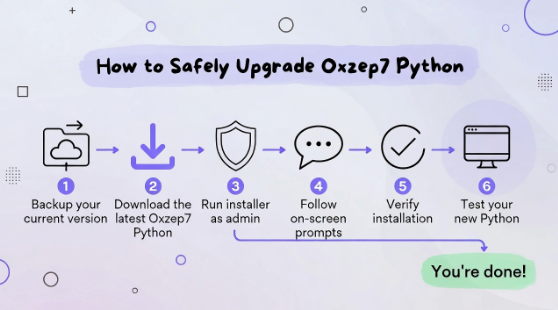
Upgrade Oxzep7 Python is important for speed, safety, and stability. Many users delay updates because they fear errors. That fear is understandable. I have seen projects break due to rushed upgrades. But staying outdated causes bigger risks. Older versions often contain bugs and security issues. When you upgrade Oxzep7 Python properly, you gain better performance and smoother compatibility. New versions also improve memory usage and error handling. This guide is written for beginners and professionals alike. Every step is simple and clear. You will not need advanced skills. By the end, you will feel confident about upgrading. We will cover preparation, commands, testing, and fixes. If you follow this guide carefully, your upgrade experience will be safe and stress-free.
What Is Oxzep7 Python
Oxzep7 Python is a Python-based module used in modern automation and data workflows. It is valued for its lightweight structure and flexible integration. Many developers use it for scripting, task handling, and backend support. Over time, Oxzep7 Python evolves with new updates. These updates fix bugs and improve features. If you do not upgrade Oxzep7 Python, your system may become unstable. Older versions may not support newer Python releases. I’ve seen projects fail simply due to version mismatch. Keeping Oxzep7 Python updated ensures smooth operation. It also improves security and compatibility with other libraries. Understanding what Oxzep7 Python does helps you appreciate why upgrades matter.
When Should You Upgrade Oxzep7 Python
Timing matters when you upgrade Oxzep7 Python. You should upgrade when security patches are released. You should also upgrade before starting a new project. If your system shows warnings or deprecation messages, it’s time. Running outdated versions can slow your workflow. In my experience, planned upgrades reduce errors. Never upgrade during critical production hours. Always choose a maintenance window. If your Python version changes, you should upgrade Oxzep7 Python as well. Regular upgrades keep your environment healthy. Skipping updates for too long can cause major compatibility issues later.
System Requirements Before Upgrading
Before you upgrade Oxzep7 Python, check your system. Make sure your Python version is supported. Verify your operating system compatibility. Confirm disk space availability. Backups are essential. I always back up my virtual environment first. This protects against rollback issues. Check installed dependencies carefully. Some libraries may require updates as well. Preparing your system reduces upgrade risks. Skipping this step often leads to avoidable errors. A few minutes of preparation saves hours of troubleshooting.
How to Check Your Current Oxzep7 Python Version
You should always know your current version. Open your terminal or command prompt. Use the version check command provided by Oxzep7 Python. This helps you compare with the latest release. Knowing your version prevents accidental downgrades. It also helps diagnose compatibility issues. I recommend writing the version number down. This small habit helps during troubleshooting. Clear version awareness is the first step to a clean upgrade.
Step-by-Step Guide to Upgrade Oxzep7 Python
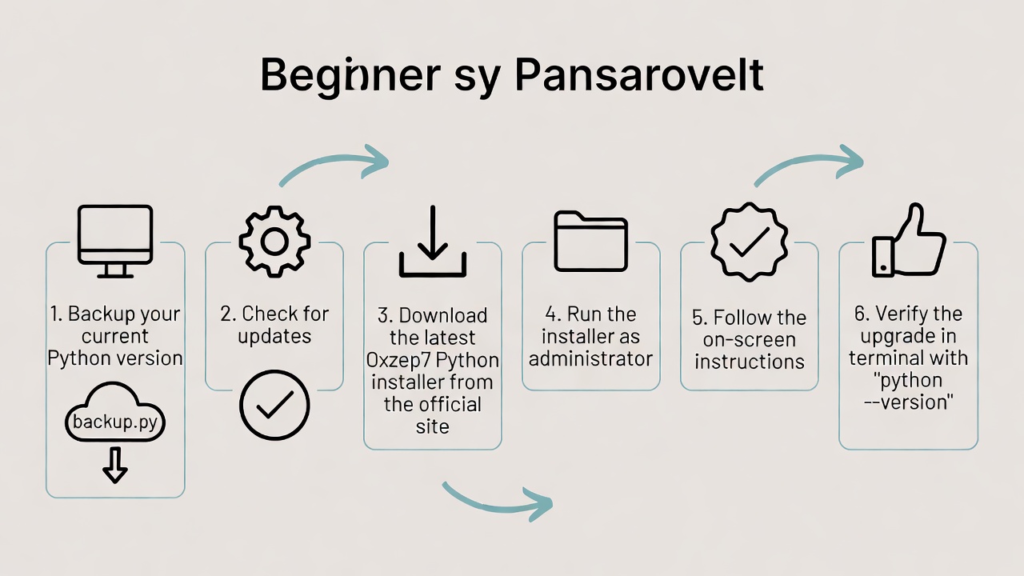
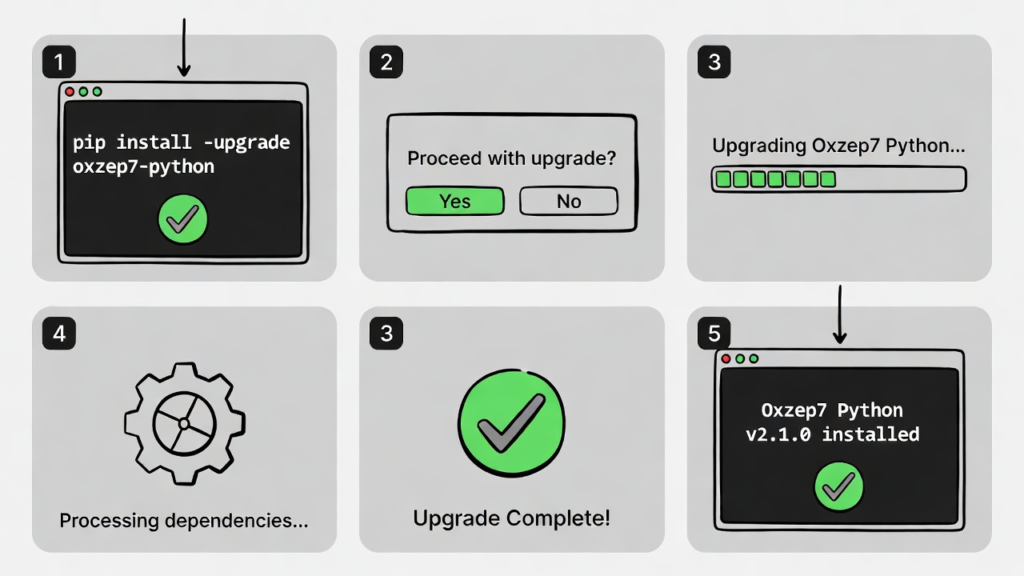
To upgrade Oxzep7 Python, follow a structured approach. First, activate your virtual environment. This isolates changes safely. Next, update package managers like pip. Then proceed with the upgrade command. Avoid forcing updates. Let the installer resolve dependencies naturally. After upgrading, verify the installation. I always run a quick test script. This confirms everything works. Following these steps reduces errors. Rushing often leads to broken environments. Slow and steady upgrades work best.
Common Errors During Oxzep7 Python Upgrade
Errors can happen when you upgrade Oxzep7 Python. Dependency conflicts are common. Permission issues also appear frequently. Some users face version mismatch errors. These usually happen when Python is outdated. I’ve fixed many issues by simply updating pip first. Reading error messages carefully helps a lot. Never ignore warnings. Most upgrade failures are easy to fix with patience. Understanding errors builds confidence over time.
How to Fix Upgrade Issues Safely
If something goes wrong, don’t panic. Roll back using your backup. Check logs for clues. Reinstall conflicting dependencies one by one. Use virtual environments to isolate problems. I’ve learned that clean environments solve most issues. Avoid copying fixes blindly from forums. Understand each step before applying it. Careful fixes protect your system from further damage.
Best Practices After You Upgrade Oxzep7 Python
After you upgrade Oxzep7 Python, test everything. Run unit tests and sample scripts. Monitor performance changes. Update documentation if needed. I also recommend noting the upgrade date. This helps with future maintenance. Keeping records builds professional habits. Small checks after upgrades prevent long-term issues.
Security Benefits of Upgrading Oxzep7 Python
Security is a major reason to upgrade Oxzep7 Python. Updates often patch vulnerabilities. Hackers target outdated software. Using the latest version reduces risk. I’ve seen outdated systems exploited easily. Upgrading is one of the simplest security steps. It protects data and system integrity. Never underestimate the power of updates.
Performance Improvements in New Versions
New releases usually improve speed and stability. Memory usage becomes more efficient. Error handling improves over time. When you upgrade Oxzep7 Python, scripts often run smoother. These improvements may seem small but add up. Over months, performance gains become noticeable. That’s why regular upgrades matter.
FAQs
Is it safe to upgrade Oxzep7 Python?
Yes, it is safe if you follow proper steps. Always back up before upgrading.
Will upgrading break my existing scripts?
Most scripts work fine. Test after upgrading to be sure.
How often should I upgrade Oxzep7 Python?
Check for updates every few months or with major Python changes.
Do I need admin rights to upgrade?
Sometimes yes, depending on your system setup.
Can I downgrade if something fails?
Yes, backups allow easy rollback.
Does Oxzep7 Python support virtual environments?
Yes, and using them is highly recommended.
Conclusion
Upgrading Oxzep7 Python does not have to be scary. With the right steps, it becomes simple and safe. Regular updates improve security, performance, and stability. I strongly recommend planning upgrades instead of delaying them. Use backups, test carefully, and stay informed. If you want smoother projects and fewer bugs, upgrade Oxzep7 Python regularly. Take action today and keep your Python environment healthy